
Translational evidence. Reproducible results.
Our development programs are grounded in validated preclinical efficacy, characterized mechanisms of action, and demonstrated batch-to-batch reproducibility. Every advancement is supported by quantitative data and designed for regulatory acceptance.
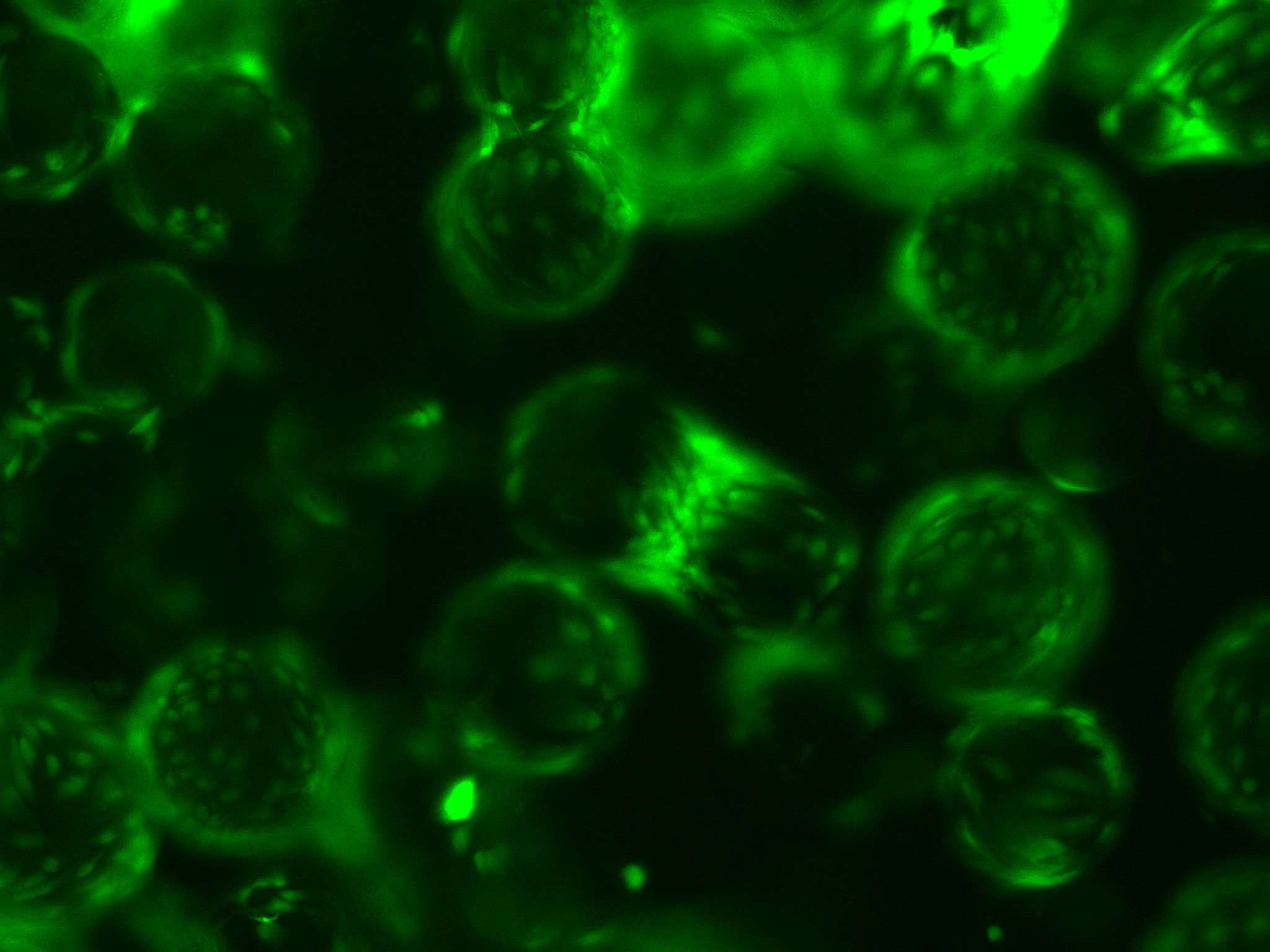
Validated mechanisms. Quantitative characterization.
Each platform modality is supported by a comprehensive preclinical evidence package designed to satisfy regulatory expectations for mechanism characterization, potency demonstration, and safety assessment.
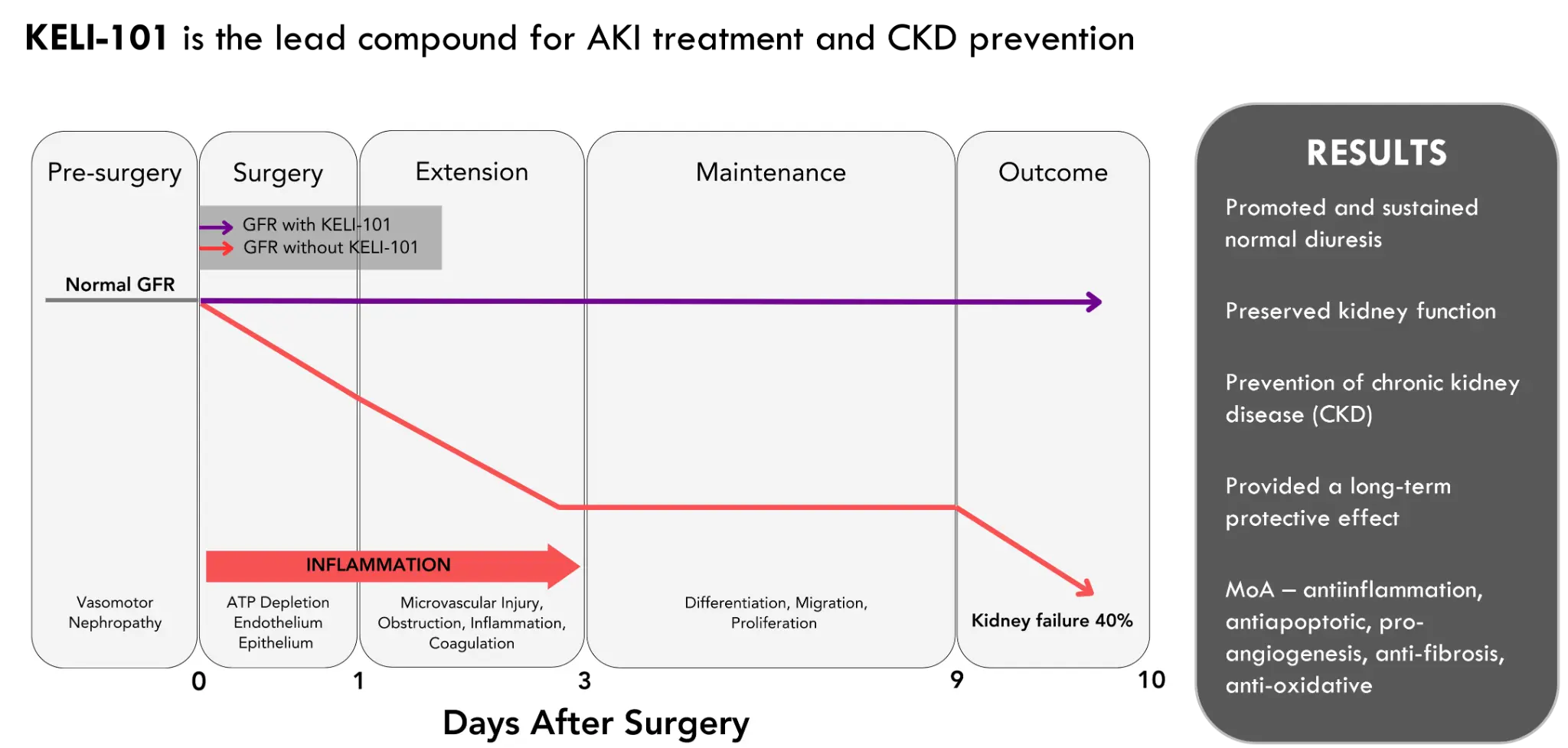
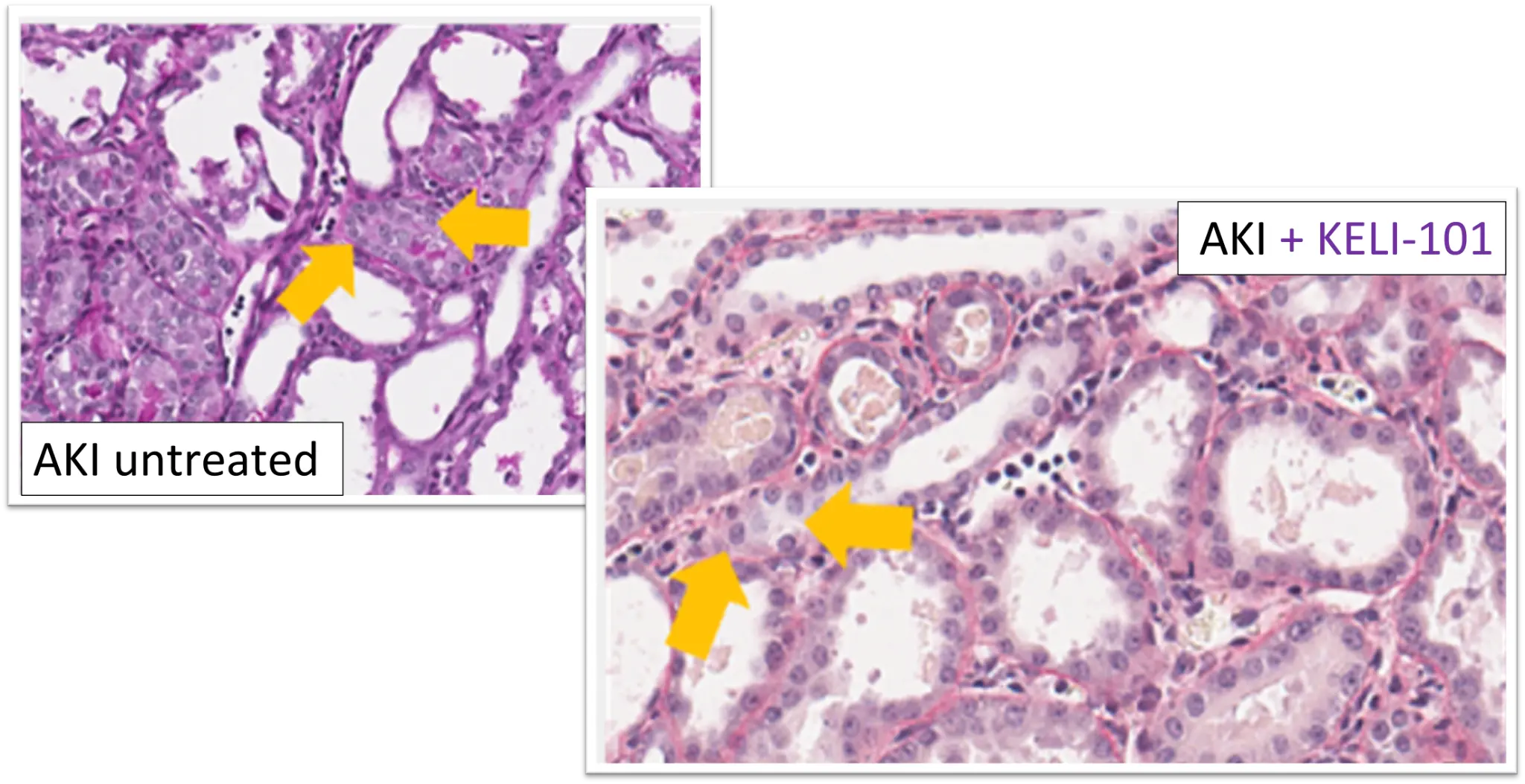
- Placental MSC therapy in AKI preclinical models demonstrates reduced tubular injury, attenuated inflammatory cytokine release, and preserved renal function.
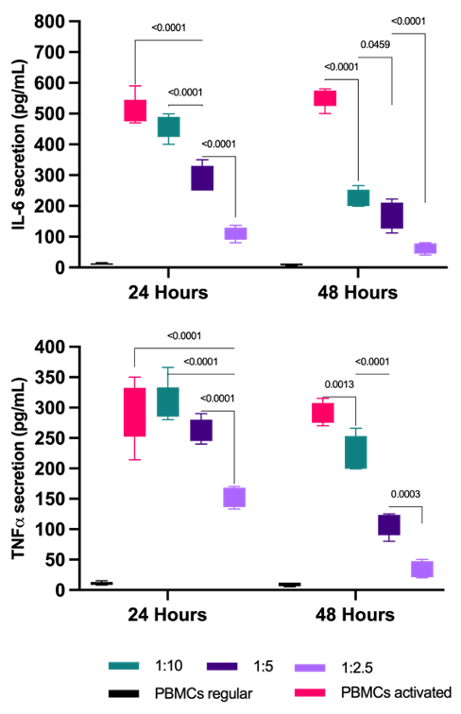
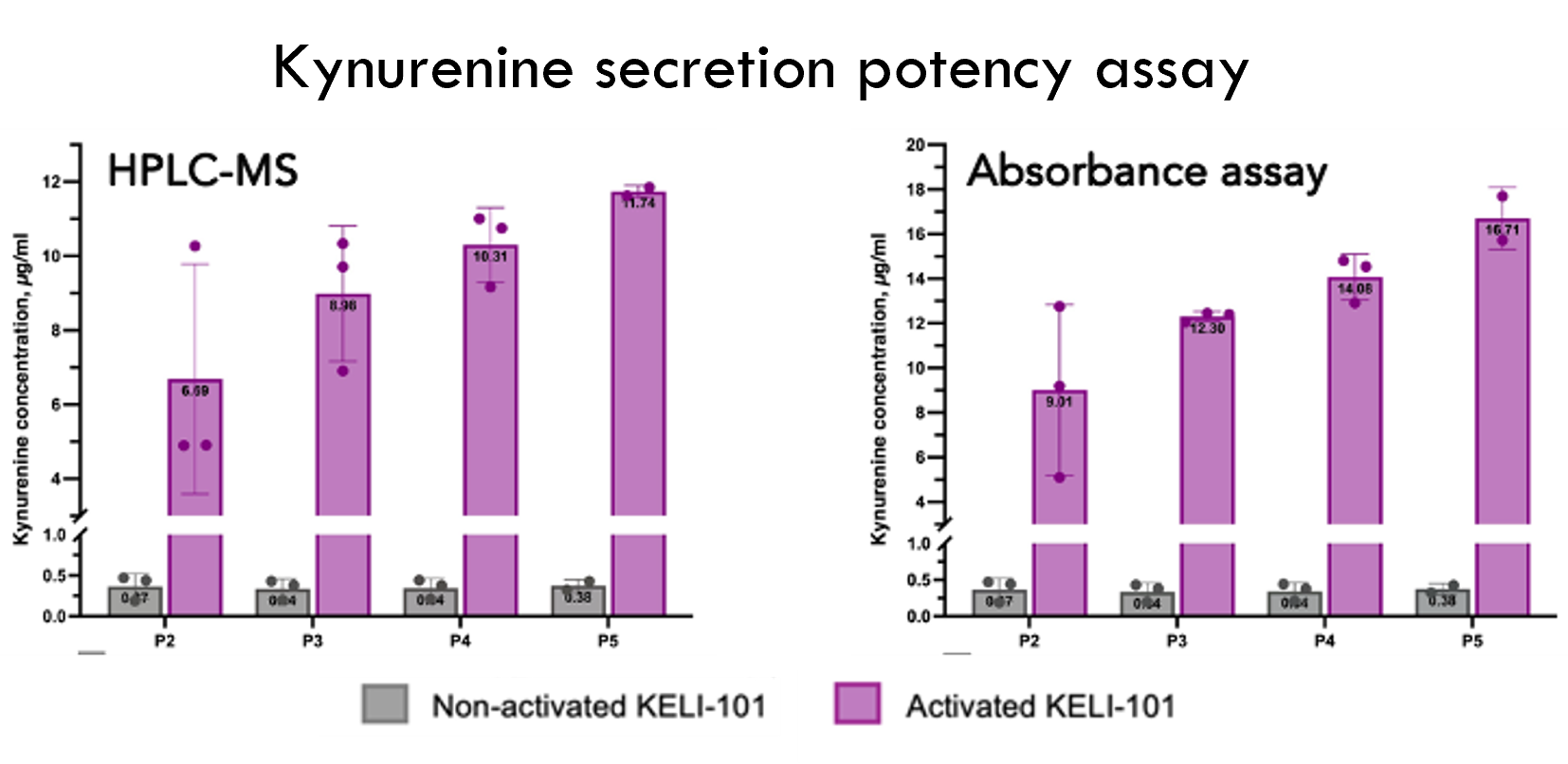
- Potency assays confirm consistent immunomodulatory activity across expansion passages (P2–P5): T-cell suppression, TNF-α/IL-6/IFN-γ modulation.
- Secretome analysis identifies key paracrine factors: TSG-6, PGE2, IDO, and HGF at quantified concentrations.
- Batch-to-batch reproducibility validated across multiple production runs, supporting clinical supply consistency.
- RECARTA generates real-world clinical outcomes data through Hospital Exemption use at Gijos Klinikos.
- Chondrocyte expansion quality, release testing, and implantation outcomes documented across treated patients.
- Functional outcomes (KOOS), MRI cartilage assessment, and patient-reported outcomes collected for evidence generation.
- Clinical dataset directly informs the RECARTA-A allogeneic development program and supports future regulatory dossier.
- Multi-batch comparability studies (n = 5) confirm consistent cell identity: CD73+/CD90+/CD105+ (>95%), CD34−/CD45− (<2%).
- Viability consistently >95% at release across all production batches.
- Karyotype stability confirmed at clinically relevant passage numbers via G-banding analysis.
- Secretome protein profiles demonstrate batch-to-batch consistency within defined acceptance criteria.
- No tumorigenic potential detected in in vivo studies.
- Biodistribution studies demonstrate expected tissue homing without ectopic engraftment.
- Sterility, endotoxin and mycoplasma release testing across all clinical batches.
Preclinical efficacy in ischemia-reperfusion kidney injury
Comprehensive preclinical evidence package demonstrating mechanism of action, dose-dependent efficacy, survival benefit, and manufacturing consistency of KELI-101 placental MSCs in acute kidney injury models.
Autologous chondrocyte manufacturing and clinical outcomes
GMP-grade chondrocyte expansion supporting the approved RECARTA product and informing the next-generation RECARTA-A allogeneic development program. Manufacturing licence details.
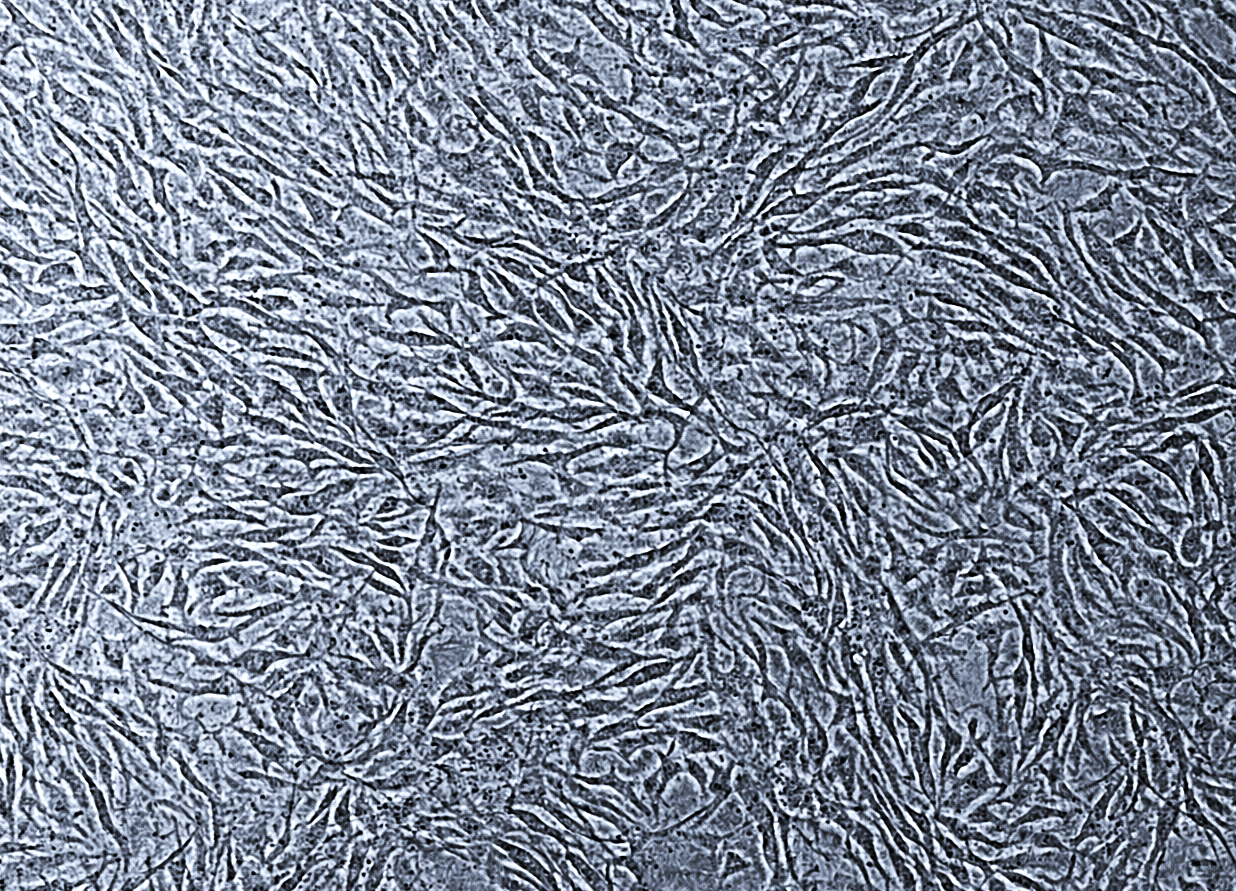
Allogeneic, off-the-shelf chondrocyte platform. Donor-derived chondrocytes manufactured in batch lots, enabling single-stage surgery without a patient biopsy.
Source: KELI process development · RECARTA / RECARTA-A programs
Placental MSC expansion and manufacturing characterization
Clinical-grade placental mesenchymal stromal cells expanded under GMP conditions in both cell factory and closed-system bioreactor formats, supporting scalable manufacturing for KELI-101 and future pipeline programs. Cells are sourced from consented placental donors and characterized for identity, purity, and potency prior to clinical use.
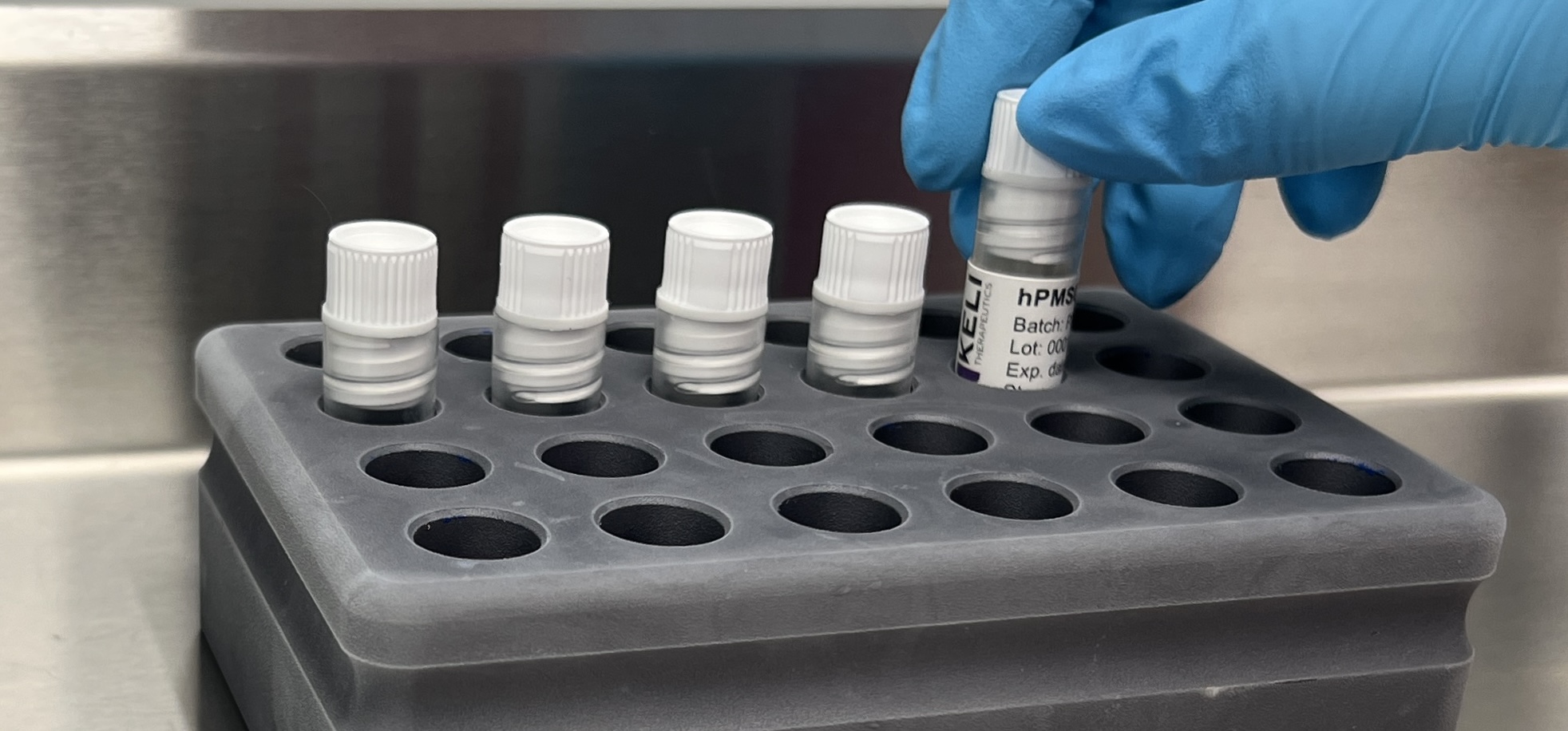
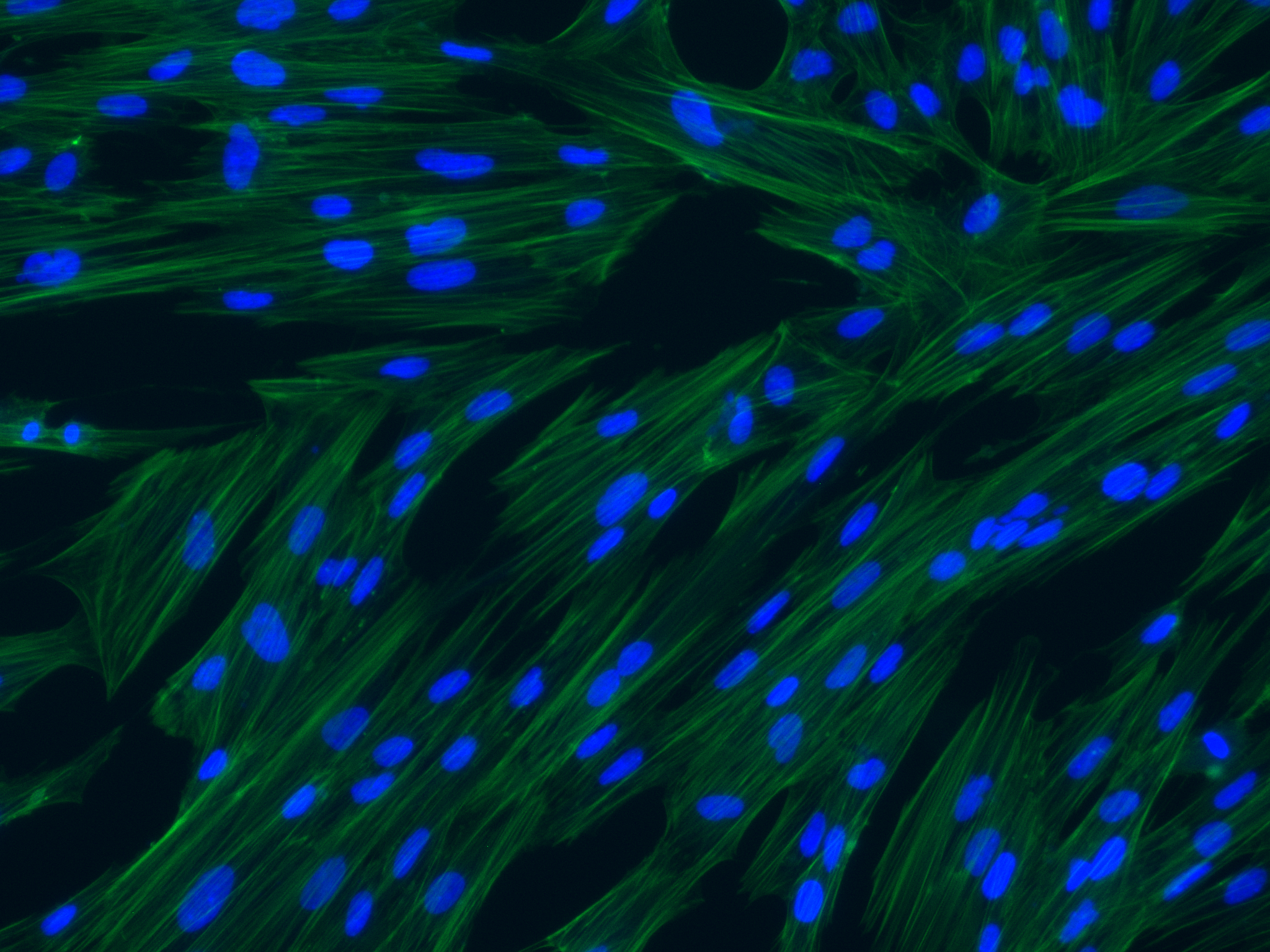
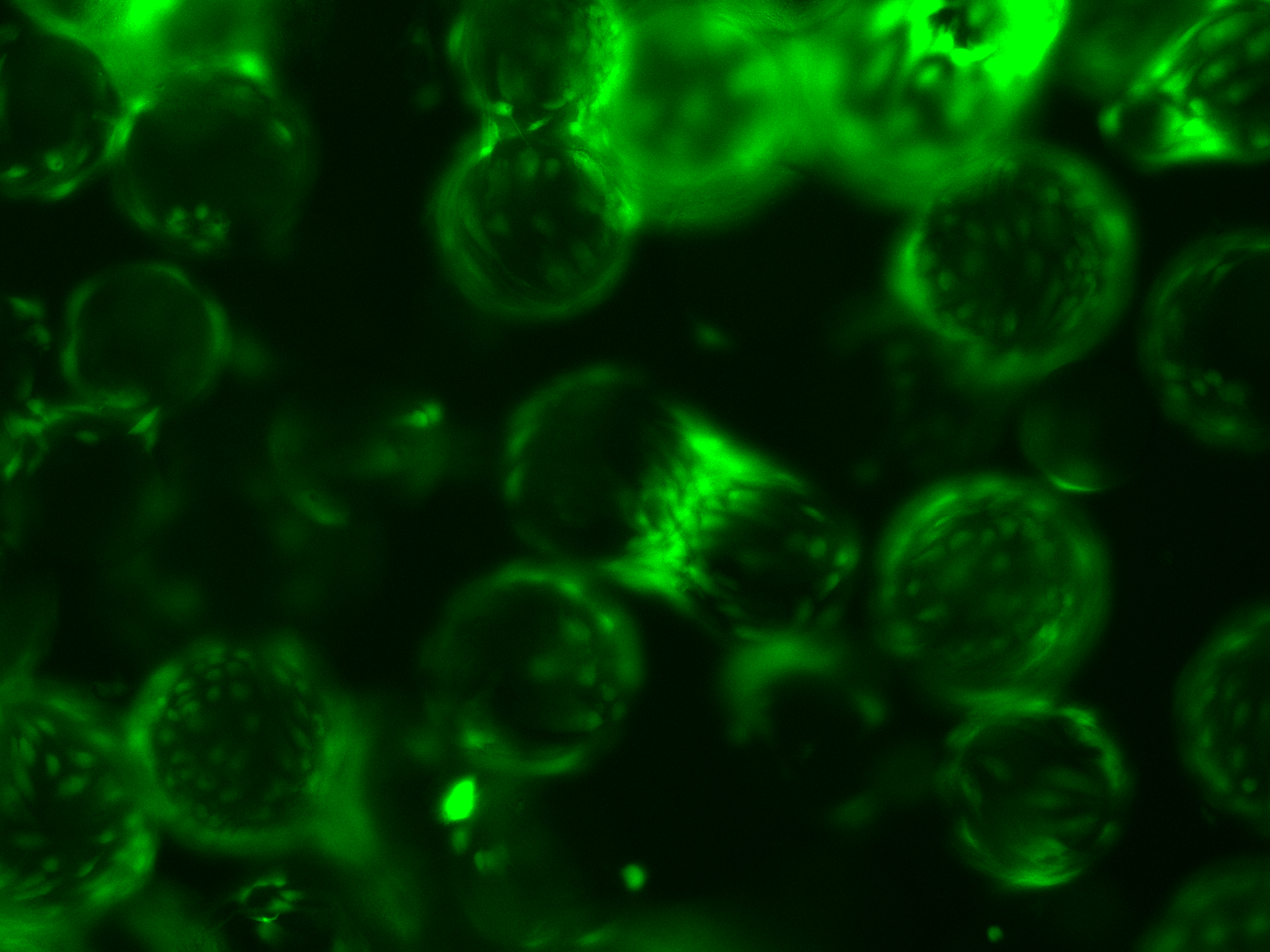
Source: KELI process development · Placental MSC cell factory and bioreactor work
Clinical programme design. Submission in preparation.
Clinical trial designs are developed in collaboration with former EMA CAT and CHMP committee members, ensuring alignment with evaluator expectations from protocol design through data package submission.
Planned multicentre, randomised, double-blind, placebo-controlled, adaptive Phase 1b/2. Up to 142 participants across four EU countries. EU CTR: 2026-527099-98-00.
Phase 1b primary: incidence and severity of TEAEs and SAEs from Day 0 to Day 90. Phase 2 primary: composite kidney failure by Day 90 — eGFR < 60 mL/min/1.73 m² and/or UACR ≥ 30 mg/g; or renal replacement therapy initiated on or before Day 90; or kidney transplant between Day 0 and Day 90.
Phase 1b: LUHS Kaunas Clinics, Lithuania (single site). Phase 2: Lithuania, Denmark, Germany, Greece. Cardiothoracic surgery centres.
Autologous chondrocyte implantation.
Manufacturing licence detailsReal-world functional outcomes (KOOS), MRI cartilage assessment, patient-reported outcomes.
Gijos Klinikos, Kaunas.
KELI-102 will use safety data from the KELI-101 trial once available.
Mechanistic rationale informed by KELI-101 cytokine and inflammatory biomarker panel.
Preclinical.
Phase 1b/2 AKI trial.
Multicenter, randomized, double-blind, placebo-controlled, adaptive trial evaluating intravenous placental MSC in high-risk cardiac surgery patients. EU CTR: 2026-527099-98-00. The regulatory documents are approximately 95% finalised, with the IMPD the remaining document to complete. KELI-101: CTA in preparation, not submitted, not enrolling. First patient planned Q2 2027, subject to CTA approval.
Multicenter, randomized, double-blind, placebo-controlled, adaptive Phase 1b/2. Randomization 1:1:1 in Phase 1b; 1:1 in Phase 2.
Lithuania, Denmark, Germany, Greece. Phase 1b single site: LUHS Kaunas Clinics, Lithuania.
€3.5M in EU and national grant funding awarded to KELI, including a €2.5M EIC Accelerator grant (2025).
Participants randomized 1:1:1 at LUHS Kaunas Clinics, Lithuania.
Starting sample size: 56 participants (28 per arm). Adaptive re-assessment at interim analysis 2 (IA2). Pre-specified maximum cap: 112 participants (56 per arm) — unconditional upper bound.
Proportion of participants with treatment-emergent adverse events (TEAEs) and serious adverse events (SAEs), and their relationship to KELI-101, to assess acute and mid-term safety and tolerability compared with placebo.
Proportion of participants meeting any one of three criteria:
Built for approval. Not just publication.
Our regulatory strategy is designed from the outset for marketing authorization — not retrospective adaptation of academic research. Former EMA committee members guide trial design, endpoint selection, and data package composition to match evaluator expectations.
Preparing PRIME designation applications for lead programs addressing unmet medical need with preliminary clinical evidence.
Development plans designed for accelerated regulatory pathways based on benefit-risk in serious conditions with unmet need.
RECARTA is approved under EU Hospital Exemption in Lithuania, with product-specific ATMP manufacturing permit No. 25.
Formal EMA scientific advice meetings planned for lead programs to confirm development strategy alignment.
Published science. Protected platform.
Selected peer-reviewed publications spanning cartilage tissue engineering, mesenchymal stromal cell therapeutics, and regenerative pharmacology.
ORCID: 0000-0002-1265-8657
Two international patent filings (2026): PCT/EP2026/051592 and USPTO 19/632,505. Exclusive global licence from LSMU.
Proprietary donor screening criteria, expansion optimization parameters, and activation protocols protected as trade secrets.
Regulatory data packages generate 10-year data exclusivity upon marketing authorization in the EU.
Data presented at ISCT, ISEV, ISN WCN, and European regulatory conferences.
Request scientific briefing.
Our CSO and clinical development team present detailed mechanism, efficacy, and manufacturing data to qualified pharma scientific evaluators and clinical collaborators.